
For many seniors, everyday tasks can become daunting challenges. Simple actions like getting dressed, cooking meals, or managing medications can be overwhelming due to physical limitations, cognitive decline, or chronic health conditions. The good news is that assistive devices can make a significant difference in their daily lives. These tools can help promote independence, reduce caregiver burden, and improve overall well-being. From mobility aids like walkers and canes to communication devices such as video phones, and home safety equipment like grab bars, there’s a wide range of options available. In this article, you’ll learn about the various types of assistive devices, their benefits, and how to access funding resources to make them more affordable. By the end of it, you’ll have a better understanding of how these devices can improve life for seniors and be able to recommend or acquire the right tools for loved ones in need.
Understanding the Need for Assistive Devices
As we age, many of us face daily challenges that can make living independently more difficult. This section explores common age-related needs and how assistive devices can help address them effectively.
The Benefits of Early Intervention
Early intervention with assistive devices can significantly improve daily life for seniors. By introducing devices such as walkers, wheelchairs, and grips early on, individuals can reduce their reliance on caregivers and maintain a sense of independence. A study by the National Institute on Aging found that older adults who used assistive devices experienced fewer falls and required less assistance with daily activities.
Implementing assistive devices also helps alleviate caregiver burden. Caregivers often struggle to balance work and personal responsibilities while caring for loved ones, leading to burnout. By enabling seniors to perform tasks independently, caregivers can conserve their energy and maintain a better work-life balance. For example, a simple medication reminder device can help seniors manage their medications on time, reducing the need for caregivers to constantly monitor them.
In addition to improving daily life and reducing caregiver burden, early intervention with assistive devices promotes independence among seniors. By providing tools that enable them to perform tasks independently, individuals can maintain their sense of autonomy and self-worth. This, in turn, contributes to improved mental health and overall quality of life.
Common Challenges Faced by Seniors
Mobility issues can be a significant challenge for seniors, affecting their ability to perform everyday tasks. Many struggle with arthritis, which causes pain and stiffness in joints, making simple movements like walking or climbing stairs difficult. Others may experience balance problems due to medication side effects, inner ear conditions, or neurological disorders.
Cognitive decline is another common issue, particularly with Alzheimer’s disease or dementia. Seniors may forget appointments, lose track of time, or struggle to learn new information, making it hard for them to manage their daily lives. Assistive devices like medication reminders, calendars, and GPS-enabled watches can help alleviate these concerns.
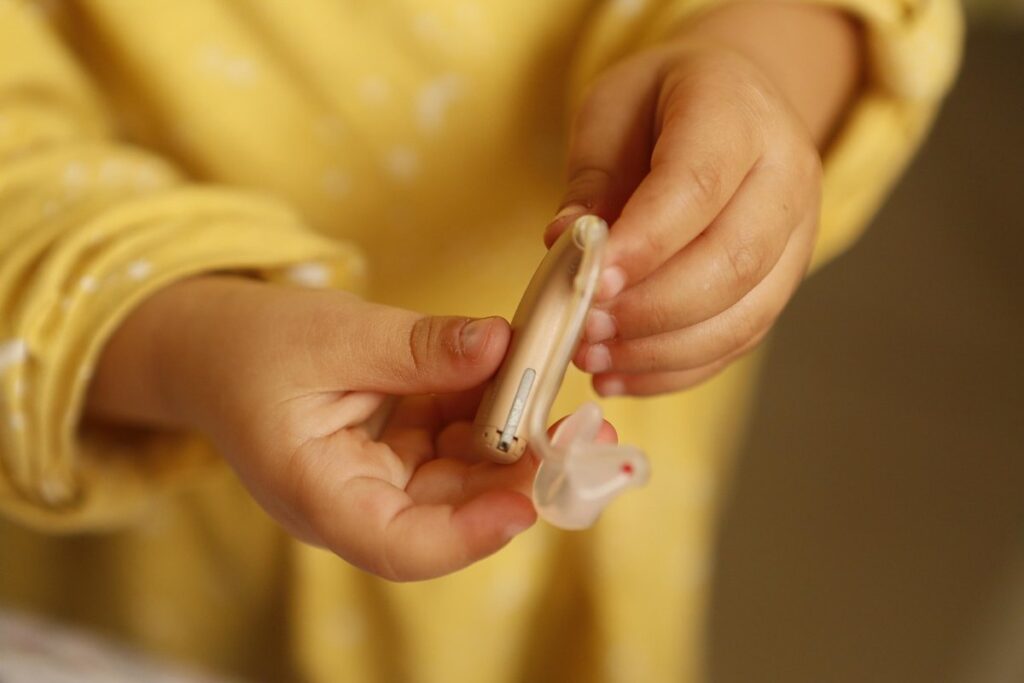
Sensory impairments such as hearing or vision loss can also impact seniors’ independence. For instance, difficulty seeing labels on medication bottles or reading fine print can lead to errors in medication management. Similarly, hearing loss can cause difficulties with phone conversations or social interactions. In such cases, devices like alerting watches that amplify sound or specialized phones with large buttons and volume controls can make a significant difference.
These common challenges highlight the importance of assistive devices for seniors, which can help mitigate their effects and improve overall quality of life.
Types of Assistive Devices Available
Assistive devices come in many forms, each designed to cater to a specific need or challenge that seniors may face. We’ll take a closer look at the various types available for enhanced independence and support.
Mobility Aids for Safe Navigation
Walkers are a popular mobility aid, offering support and balance assistance. They often feature adjustable height settings to accommodate varying user heights, as well as storage compartments for small items like phones or wallets. Some walkers also come with additional features such as folding mechanisms or built-in seats.
Canes are another common option, providing unilateral support and balance help. They can be made from a variety of materials, including aluminum, wood, or fiberglass, each with its own unique benefits and drawbacks. For instance, aluminum canes are lightweight and durable, while wooden canes may offer better grip for users with arthritic hands.
Wheelchairs and scooters cater to more severe mobility limitations, allowing users to propel themselves over longer distances. Power wheelchairs often come equipped with advanced features like adjustable armrests or programmable speed settings. Scooters, meanwhile, typically rely on manual propulsion but may offer larger storage capacity for users who need to carry items regularly.
When selecting a mobility aid, consider factors such as the user’s weight limit, desired level of independence, and any specific needs or preferences they may have.
Communication and Cognition Assistive Technology
Tablets with accessibility software are becoming increasingly popular among seniors as a communication aid. Devices like Apple’s iPad and Android tablets come pre-installed with screen readers and text-to-speech functionality, making it easier for those with visual impairments to stay connected with family and friends. Many devices also offer one-handed keyboards or large-print displays that can be adjusted to meet individual needs.
Smart home systems are another example of assistive technology designed to aid communication and cognitive function. For instance, Amazon’s Alexa and Google Home allow users to control their living space through voice commands, reducing the need for physical interaction with devices. Smart speakers can also serve as a reminder system, sending notifications or playing music at specific times.
Memory aids like digital calendars and reminders are also crucial in maintaining independence. These tools help seniors stay organized and on schedule by providing visual and auditory cues, reducing the likelihood of forgetfulness. For example, setting recurring events or reminders for medication schedules can ensure timely adherence to treatment plans. By utilizing these devices effectively, seniors can maintain their autonomy while receiving support with everyday tasks.
Assistive Devices for Daily Living
Many seniors rely on assistive devices to perform daily tasks, such as walkers and canes that provide support and balance. These everyday tools can be a game-changer for maintaining independence at home.
Adaptive Home Modifications for Safety
Creating a safe and accessible living environment is crucial for seniors to maintain their independence. Adaptive home modifications can greatly contribute to this goal. For instance, installing grab bars in strategic locations such as near toilets, showers, and bathtubs can provide essential support for balance and mobility.
Non-slip flooring is another critical modification that prevents slips and falls. This can be achieved by applying textured coatings or replacing existing flooring with slip-resistant materials like rubber or vinyl. Widening doorways to at least 32 inches in width also facilitates easy navigation, especially for individuals using wheelchairs or walkers.
It’s equally important to consider the height of countertops, sinks, and toilets to ensure they are accessible without straining or compromising safety. Modifying these elements can involve installing pedestal sinks or wall-mounted faucets, or raising toilet seats to a more comfortable height. A thorough assessment of the home’s layout and individual needs will help prioritize modifications that promote safe mobility and reduce fall risks.
Personal Care and Grooming Aids
Shower chairs are a common assistive device that enables seniors to bathe safely and independently. These lightweight, foldable seats can be placed inside showers for added support. They often come with backrests or armrests for extra stability.
Reachers, also known as grabbers, help seniors pick up items from the floor without straining their backs. These long-handled devices are available in various lengths and styles, including magnetic tipped ones that can retrieve small metal objects like keys. Some reachers have interchangeable heads to accommodate different tasks.
Dressing aids, such as adaptive clothing and dressing sticks with grips, facilitate putting on socks, shoes, and other garments. Many seniors find it challenging to manage zippers or buttons; these devices simplify the process while preserving dignity. A simple example is a dressing stick with a large grip that makes it easier to grasp small areas like buttons.
These personal care and grooming aids enhance independence by reducing reliance on caregivers for everyday tasks. They promote comfort, safety, and confidence in seniors’ daily routines.
Assistive Technology for Health Management
From medication reminders to health monitoring tools, assistive technology can greatly enhance seniors’ ability to manage their health independently. We’ll explore some of these powerful devices in this section.
Medical Alert Systems for Emergency Response
Medical alert systems are designed to provide emergency assistance to seniors in situations where they need immediate help. These devices typically come with a wearable pendant or button that can be pressed to alert emergency services, caregivers, or family members. Many medical alert systems also offer fall detection capabilities, which can automatically send out alerts if the wearer experiences a severe fall.
The benefits of medical alert systems are clear: they allow seniors to maintain their independence while knowing help is just a press away. In the event of an emergency, these devices can expedite response times and provide peace of mind for both the wearer and their loved ones. Some medical alert systems also offer additional features, such as medication reminders and GPS tracking.
When selecting a medical alert system, it’s essential to consider factors like coverage area, battery life, and subscription costs. Seniors should also explore options that cater to their specific needs, such as fall detection or in-home care services. By choosing the right medical alert system, seniors can enjoy greater independence while ensuring they have access to timely assistance when needed most.
Monitoring and Tracking Devices for Chronic Conditions
Monitoring and tracking devices play a vital role in managing chronic conditions for seniors. For instance, blood pressure monitors enable regular readings, allowing individuals to adjust their medication and lifestyle accordingly. Glucose meters help type 2 diabetes patients track their sugar levels, ensuring they remain within the target range. This data can be shared with healthcare providers, facilitating more informed treatment decisions.
Fall detection systems are another essential monitoring device for seniors with mobility issues or a history of falls. These devices alert emergency services in case of a fall, providing peace of mind for both the individual and their caregivers. Some fall detectors also come equipped with GPS tracking, allowing loved ones to locate them if they wander away from home.
When selecting these devices, consider factors such as ease of use, data accuracy, and connectivity options (e.g., Bluetooth, Wi-Fi). Ensure that the device’s battery life aligns with your needs, and that it can be easily replaced or recharged. By incorporating monitoring and tracking devices into their daily routine, seniors can take a proactive approach to managing chronic conditions, maintaining independence, and enhancing overall quality of life.
Funding and Resources for Assistive Devices
Many seniors struggle to afford assistive devices that can greatly improve their independence, so let’s explore some potential funding options and resources. These resources can help bridge the gap between need and affordability.
Government Programs and Assistance
Medicaid provides financial assistance to low-income seniors who require assistive devices such as wheelchairs, walkers, and communication aids. To qualify, individuals must meet specific income and resource requirements. In addition to Medicaid, the Veterans Administration offers benefits for eligible veterans, including adaptive equipment like scooters and home modifications. The VA’s Aid and Attendance program also provides financial assistance for seniors who require ongoing care.
To explore government programs, start by visiting the Medicaid website or contacting your local Area Agency on Aging (AAA). Many AAAs offer resources and guidance on accessing assistive devices through Medicaid and other government programs. Seniors can also contact their local VA office to determine eligibility for benefits. When applying, be prepared to provide documentation of income, medical expenses, and disability status.
When working with government programs, it’s essential to understand the specific requirements and procedures for each program. Some common documents needed include proof of income, medical records, and bills for assistive devices or home modifications. By understanding these requirements and navigating the application process, seniors can access vital resources that enhance their independence and quality of life.
Non-Profit Organizations and Charitable Foundations
Non-profit organizations and charitable foundations play a vital role in providing financial assistance for assistive devices. The United Way’s 211 service is a good starting point to find local resources. For example, in California, the Independent Living Center provides grants for mobility aids, while the National Organization on Disability offers loan programs for home modifications.
The Assistive Technology Industry Association (ATIA) also has a list of grant-making organizations that focus on assistive devices. Some notable examples include the Christopher & Dana Reeve Foundation, which funds spinal cord research and provides technology assistance, and the AbleGamers Charity, which offers grants for gaming accessibility equipment.
When seeking assistance from non-profits, be prepared to provide documentation, such as proof of income or medical necessity. A small minority of organizations may have specific eligibility requirements or application deadlines, so it’s essential to review each organization’s criteria carefully. Some charities also offer additional resources, like device donation programs or refurbished device sales.
Frequently Asked Questions
Can I Use Assistive Devices in Combination for Maximum Effectiveness?
Yes. Many seniors benefit from using multiple assistive devices in conjunction with each other. For instance, combining a walker with a smart home system can enhance mobility and safety within the home.
Consider consulting with an occupational therapist to determine which combination of devices will best meet your needs. This professional can assess your lifestyle, living situation, and health status to recommend a tailored solution.
How Do I Know When It’s Time to Upgrade or Replace Assistive Devices?
When assistive devices become worn out, damaged, or no longer meet your changing needs, it’s time for an upgrade or replacement. Pay attention to signs of wear and tear on devices like wheelchairs, walkers, or grab bars.
Regularly assess your independence level, mobility limitations, and ability to perform daily tasks safely with current assistive devices in place. Consider upgrading when you find yourself struggling to maintain a safe living environment due to outdated equipment.
What If My Loved One Resists Using Assistive Devices – How Can I Encourage Them?
Approach this conversation empathetically by acknowledging their concerns about appearance, cost, or perceived loss of independence. Emphasize the benefits of assistive devices in maintaining their quality of life and reducing caregiver burden.
Offer support and involve them in selecting suitable devices that match their preferences and lifestyle needs. Sometimes, simply being present during a demonstration or trial period can help them become more comfortable with using assistive technology.
Can I Use Non-Government Funding Sources for Assistive Devices – Are There Any Options?
Yes. While government programs provide essential assistance, non-profit organizations and charitable foundations also offer resources for funding assistive devices. Some of these options include grants, loans, or other forms of support specifically designed for seniors with financial constraints.
Research organizations like the AARP Foundation’s Community Tool Box or local Area Agencies on Aging (AAAs) to explore available opportunities that might cover a portion or all costs associated with purchasing necessary assistive technology.