
As an older adult, you know how frustrating it can be to struggle with communication due to hearing loss. You’ve likely experienced difficulty understanding conversations in noisy environments or feeling left out because you couldn’t hear what others were saying. Choosing the right type of hearing aid and getting a proper fit are crucial steps in improving your communication and overall quality of life. However, knowing where to start can be overwhelming, with so many options available on the market. In this article, we’ll provide you with comprehensive tips and advice for selecting the best hearing aids for your needs, ensuring they fit comfortably, and managing maintenance to keep them working effectively. By the end of this guide, you’ll be able to make informed decisions about your hearing health and improve your ability to connect with loved ones and engage in activities you enjoy.
Understanding Hearing Loss and the Need for Hearing Aids
Hearing loss is a common issue that affects millions of older adults, but what causes it and how can hearing aids help alleviate its effects? Understanding these basics is crucial.
Identifying Symptoms of Age-Related Hearing Loss
Common symptoms of age-related hearing loss can be subtle and easily overlooked. Many older adults initially notice difficulty hearing conversations, especially when there’s background noise or when speaking with someone who has a soft voice. This is often because high-frequency sounds become harder to distinguish as we age.
TV and movie dialogue may also become increasingly difficult to follow. Some individuals may need to turn up the volume to an uncomfortable level or ask others to repeat what was said multiple times. Phone conversations can be particularly challenging, especially if they’re conducted in a noisy environment or with someone who speaks quickly.
As hearing loss progresses, difficulties with communication can lead to feelings of isolation and frustration. To address these challenges, it’s essential for older adults to seek professional advice from an audiologist or healthcare provider. They can assess the extent of any hearing loss and recommend suitable solutions, including hearing aids or other assistive devices.
Types of Hearing Loss and How Hearing Aids Help
Conductive hearing loss occurs when there’s a problem with the middle ear’s ability to conduct sound waves. This can be due to issues like fluid buildup, eardrum damage, or problems with the tiny bones of the ear. Hearing aids can help by amplifying sound and improving sound quality.
Sensorineural hearing loss is more common in older adults and arises from damage to the inner ear or auditory nerve. It’s often caused by age-related wear and tear, exposure to loud noises, or underlying health conditions like diabetes. While hearing aids can’t restore lost hair cells or repair damaged nerves, they can still provide significant benefit.
Mixed hearing loss is a combination of conductive and sensorineural components. For example, you might have a perforated eardrum (conductive) along with some damage to your inner ear (sensorineural). Hearing aids may address the conductive aspect, but additional treatment or surgery might be necessary for the sensorineural component.
Hearing aids work best when prescribed and fitted by an audiologist. They’ll help you understand the specific type of hearing loss you have and choose the most suitable aid.
Choosing the Right Hearing Aid: Factors to Consider
When selecting a hearing aid, there are several key factors to consider, including your lifestyle, budget, and personal preferences. This will help you make an informed decision about which type of hearing aid is right for you.
Determining Budget and Insurance Options
The cost of hearing aids can be a significant concern for many older adults. On average, a basic hearing aid can range from $1,000 to $3,000 per ear, while more advanced models with additional features can cost upwards of $5,000 or more per ear. It’s essential to consider not just the initial purchase price but also ongoing maintenance and replacement costs.
Some older adults may be eligible for coverage through their health insurance plans, Medicare, or Medicaid. The Affordable Care Act (ACA) requires most group health insurance plans to cover hearing aids as a medical device, although individual plans may vary. It’s crucial to review your policy documents carefully to understand what is covered and any potential out-of-pocket expenses.
When shopping for a hearing aid, ask about financing options or payment plans that can help make the cost more manageable. Some audiologists or hearing aid specialists offer in-house financing or partner with third-party lenders to provide flexible payment terms. Research local resources, such as non-profit organizations or community programs, that may offer financial assistance or subsidies for hearing aids.
Selecting the Correct Style and Size for Your Ears
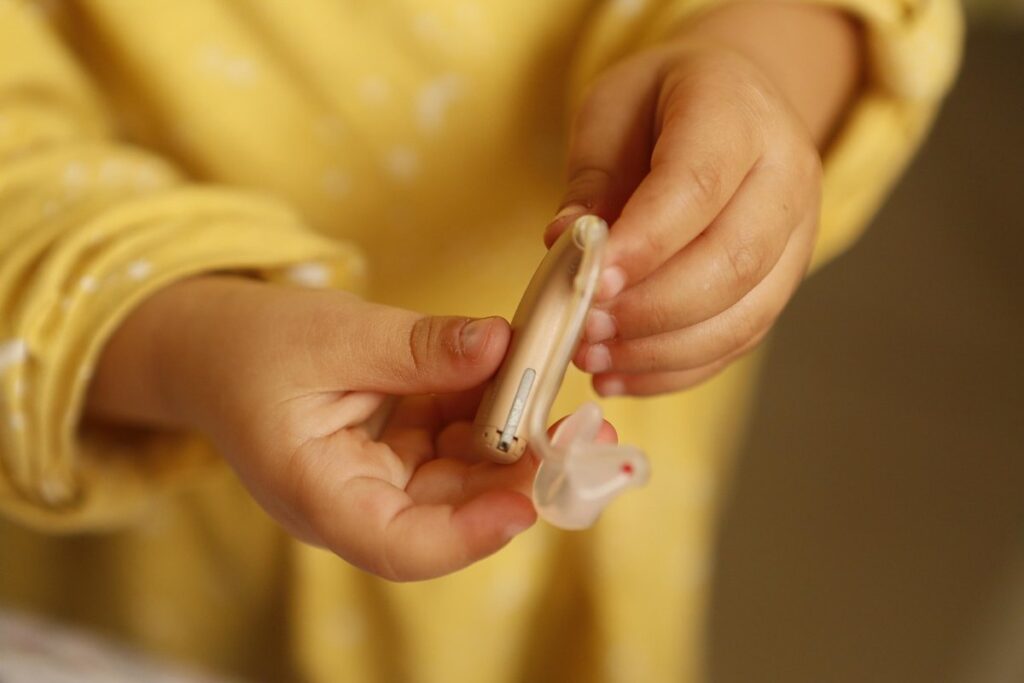
When choosing a hearing aid style, consider three main options: behind-the-ear (BTE), receiver-in-canal (RIC), and completely-in-canal (CIC). BTE devices sit on the back of the ear, while RIC styles have a small receiver in the ear canal. CIC models are nearly invisible, fitting deep within the ear canal.
BTE devices can be more visible but often provide better sound quality and power. They’re suitable for individuals with severe hearing loss or those who need extra amplification. In contrast, RIC styles offer improved cosmetics while maintaining good sound quality. However, they may not suit those with very sensitive ears or high-frequency hearing loss.
CIC devices are ideal for mild to moderate hearing loss, providing discreet sound amplification. They’re suitable for individuals with smaller ear canals and those who prefer a more natural sound experience. When selecting a style, consider your lifestyle, hearing needs, and personal preferences. Consult an audiologist to determine the most suitable option for you. Assessing your overall health and ear anatomy will help ensure a proper fit and optimal performance from your chosen device.
Getting a Proper Fitting: The Importance of Audiological Care
Getting the right fit for your hearing aid is crucial to ensure it works properly, so you should expect thorough assessments and adjustments from your audiologist. This includes a series of tests and fine-tuning sessions to optimize your device’s performance.
Understanding the Role of an Audiologist or Hearing Specialist
When getting hearing aids fitted, it’s essential to work with an audiologist or hearing specialist. Their role is multifaceted and crucial to a successful outcome. In addition to selecting the most suitable devices for individual needs, they are responsible for adjusting and fine-tuning these devices during the initial fitting process.
This involves programming the hearing aids to address specific auditory issues such as tinnitus, feedback, or sound quality concerns. Moreover, audiologists provide ongoing care, monitoring progress and making adjustments as needed. They also educate patients on proper use, maintenance, and troubleshooting, ensuring individuals can get the most out of their hearing aids.
In this capacity, audiologists play a vital role in helping older adults successfully adapt to life with hearing aids. Their expert guidance helps mitigate common issues like sound overload or difficulties adjusting to new sounds. By prioritizing regular check-ups and following their recommendations, individuals can enjoy improved communication and reduced frustration. Ultimately, the support of an audiologist or hearing specialist is invaluable in maximizing the effectiveness and usability of these devices.
Ensuring a Comfortable and Effective Fit
Proper ear impressions are crucial for ensuring a comfortable and effective fit of hearing aids. During the initial fitting process, audiologists take precise molds of the ear to create custom devices. If these impressions are off by even a millimeter, it can lead to discomfort, feedback, or reduced sound quality. To avoid this, older adults should be present during the impression-taking process to ensure their concerns and preferences are addressed.
Adjustments to the hearing aids may also be necessary following the initial fitting. Audiologists typically schedule follow-up appointments one to two weeks after the initial fitting to fine-tune the devices. During these sessions, the audiologist will assess how well the hearing aids are functioning and make any necessary adjustments. This step is often overlooked but can significantly impact the wearer’s satisfaction with their hearing aid.
Older adults should not hesitate to schedule additional follow-up appointments if they experience discomfort or issues with their hearing aids. Regular check-ins with an audiologist help ensure the devices continue to meet their unique needs over time, allowing them to get the most out of their investment.
Managing Hearing Aid Maintenance and Troubleshooting
To get the most out of your hearing aids, it’s essential to understand how to properly maintain them, identify common issues, and troubleshoot problems that may arise. Regular maintenance can save you time and money in the long run.
Tips for Daily Care and Cleaning of Your Hearing Aids
Cleaning your hearing aids regularly is crucial to prevent damage and malfunction. Remove any visible debris with a soft cloth, then use a dry brush to gently sweep away dust and dirt from the aid’s surface. Avoid using liquids or chemicals, as they can harm the delicate electronics.
When storing your hearing aids, place them in their designated case or pouch, making sure they’re completely dry before putting them away. Store the case itself in a cool, dry place out of direct sunlight to prevent damage from heat and UV rays.
Handling your hearing aids with care is also important. Avoid exposing them to extreme temperatures, such as leaving them in a hot car on a sunny day or placing them near a heating vent. Also, try to avoid touching the microphone opening, as oils from your skin can accumulate there and affect sound quality. After each use, simply wipe your hearing aids with a soft cloth to remove any moisture and prevent buildup.
Resolving Common Issues with Hearing Aids
Static, feedback, and reduced sound quality are common issues with hearing aids. To resolve static, first ensure the battery is securely inserted and the volume is turned down. If the problem persists, try cleaning the earmold or receiver, as debris can cause interference.
Feedback often occurs when the microphone picks up sound from the earmold or other sources, causing a whistling or squealing noise. Adjusting the microphone or earmold placement may help alleviate this issue. You can also consult your audiologist for further assistance in fine-tuning settings.
Reduced sound quality might be due to worn-out filters or damaged components. Schedule regular cleanings and replace filters as recommended by your hearing aid manufacturer. In some cases, software updates or adjustments to the hearing aid’s settings may improve sound quality. When troubleshooting these issues, keep a record of the changes made, as this information can be useful for future reference and for the audiologist during maintenance appointments.
Advanced Features and Technologies in Modern Hearing Aids
As we explore the latest advancements in hearing aid technology, you’ll discover how cutting-edge features like artificial intelligence and wireless connectivity can improve your listening experience. These innovations are changing the game for older adults.
Exploring the Benefits of Wireless Connectivity and Bluetooth
Modern hearing aids often come equipped with advanced features like wireless connectivity and Bluetooth capabilities. This technology allows users to stream audio from their phone directly into their device, making it easier to follow conversations, watch TV, or listen to music. Phone compatibility is a significant benefit, as it enables users to make hands-free calls or receive incoming calls on the hearing aid.
Streaming capabilities are another key feature of wireless connectivity in hearing aids. Users can stream audio from their phone, tablet, or computer directly into their device, reducing the need for amplification and allowing for more natural listening experiences. For example, if a user wants to watch TV with family members, they can sync their hearing aid with the TV’s audio signal, ensuring that everyone can hear clearly.
Remote adjustments are also made possible through wireless connectivity. Users can adjust settings or update software on their device from their phone or tablet, eliminating the need for in-person visits to an audiologist’s office. This feature is particularly convenient for older adults who may have limited mobility or transportation options.
Understanding Speech Enhancement and Noise Reduction Options
Modern hearing aids come equipped with advanced features that can significantly improve speech clarity and reduce background noise. One key feature is speech enhancement, which amplifies specific frequencies associated with human voices. This helps to cut through background chatter, music, or other ambient sounds, making it easier for users to focus on conversations.
Another crucial component is noise reduction technology. Advanced algorithms work to suppress unwanted noises, such as hiss, hum, or traffic sounds, allowing the user’s own voice and that of others to take center stage. This can be especially beneficial in environments like restaurants or public transportation, where background noise levels are typically high.
In choosing between these features, consider your specific needs and environment. If you frequently find yourself struggling to hear in noisy spaces, a hearing aid with robust noise reduction capabilities may be the better option. On the other hand, if you’re primarily concerned with improving speech clarity in quieter settings, a hearing aid with advanced speech enhancement technology could provide more targeted benefits. Consult with an audiologist or hearing specialist to determine which features will work best for your individual situation.
Additional Resources for Older Adults with Hearing Loss
If you’re looking for ways to supplement your hearing aid treatment, several organizations offer valuable resources and support specifically designed for older adults with hearing loss.
Local Support Groups and Online Communities
Joining an online community or local support group can be a powerful way to connect with others who understand what you’re going through. You’ll find many online forums dedicated specifically to hearing loss and older adults, such as the Hearing Loss Association of America’s online community. These platforms provide a safe space to share your experiences, ask questions, and receive advice from people who’ve been in similar situations.
The National Institute on Deafness and Other Communication Disorders (NIDCD) also offers a list of organizations that provide support for individuals with hearing loss. Some examples include the American Speech-Language-Hearing Association’s (ASHA) online community, which connects you with audiologists and speech-language pathologists who can offer expert advice.
When searching for online communities or local groups, look for ones that are specifically focused on older adults with hearing loss. Many organizations also have in-person meetings, so be sure to check their websites for more information. By connecting with others who share your experiences, you’ll gain valuable insights and support as you navigate the world of hearing aids and rehabilitation.
Accessibility Features in Daily Life: Tips for Improved Communication
When communicating in various settings, such as restaurants, theaters, or public gatherings, it’s essential to use accessibility features to improve interactions. In a restaurant, ask the server to write down the menu or repeat orders aloud. This ensures that you understand what you’re ordering and reduces miscommunication.
In a theater, consider using assisted listening devices (ALDs) if available. These devices can be used with hearing aids to enhance sound quality. Additionally, some theaters offer open captions for viewers who are hard of hearing. Take advantage of these features to follow the dialogue on stage.
When attending public gatherings, use visual alerts such as flashing lights or vibrations from your hearing aid to alert you to important sounds like a fire alarm. Some public spaces also provide sign language interpretation or captioned performances. Research these options in advance and take advantage of them to enhance your experience. By using accessibility features, you can engage more fully with the world around you and maintain your independence.
Frequently Asked Questions
Can I use hearing aids with my existing phone or device?
You can definitely use your hearing aids with most phones and devices. Many modern hearing aids come with wireless connectivity options, such as Bluetooth, that allow you to stream audio directly from your phone to your hearing aids. This means you can take calls, listen to music, or watch videos without any hassle.
What if I experience feedback or static in my hearing aids?
If you notice feedback or static in your hearing aids, don’t worry – it’s a relatively common issue! First, check that the volume is turned down on both your hearing aid and device. Then, try adjusting the settings on your hearing aid to see if that resolves the problem. If not, consult with an audiologist for further assistance.
Are there specific hearing aids designed for outdoor use?
While most modern hearing aids are built to withstand everyday wear and tear, some models are indeed designed specifically for outdoor activities like hiking or gardening. Look for devices with water-resistant coatings or specialized features like wind noise reduction – but keep in mind that even the best-designed hearing aid may not be suitable for extremely loud environments.
Can I customize my hearing aids’ settings to suit specific situations?
Absolutely! Many modern hearing aids come equipped with adjustable settings that can help you navigate different environments and activities. For example, some devices allow you to switch between settings for noise reduction in restaurants versus speech enhancement in meetings. Consult with an audiologist to learn more about customizing your hearing aid settings.
How often should I get my hearing aids professionally cleaned?
As a general rule of thumb, it’s recommended that you have your hearing aids professionally cleaned every 6-12 months – or as needed. This will help ensure they continue working at their best and prevent any potential issues from developing over time. Schedule regular cleanings with an audiologist to keep your hearing aids in top shape.