
Managing high blood pressure as you age can be a daunting task, but it’s essential to take control of your health. As we get older, our bodies undergo natural changes that can affect blood pressure, increasing the risk of complications such as heart disease and stroke. For seniors, managing high blood pressure is crucial to maintaining overall well-being and reducing the likelihood of these conditions. But with so many treatment options available – lifestyle changes, medication, and supplements – it’s hard to know where to start. This article will provide a comprehensive guide on how to manage high blood pressure in seniors, covering effective ways to lower readings and reduce the risk of complications through simple yet impactful changes. By the end of this article, you’ll have a clear understanding of what it takes to keep your blood pressure under control as you age.
Understanding High Blood Pressure in Older Adults
High blood pressure is a common concern for older adults, and understanding its causes and effects can be crucial to managing it effectively. We’ll explore what contributes to high blood pressure in seniors next.
What is Hypertension and Why Is It a Concern for Seniors?
Hypertension is a condition characterized by persistently high blood pressure levels. In seniors, hypertension often develops gradually over time due to age-related changes in the body’s ability to regulate blood pressure. According to the American Heart Association, approximately 75% of people aged 60 and older have some form of hypertension.
Uncontrolled high blood pressure is a significant concern for seniors because it can lead to serious health complications. Hypertension increases the risk of cardiovascular disease, including heart attacks, strokes, and peripheral artery disease. It also exacerbates existing conditions such as kidney disease, vision loss, and cognitive decline. The risk of these consequences is especially pronounced in older adults due to decreased physical reserves and reduced ability to compensate for blood pressure fluctuations.
To put this into perspective, consider the small changes in daily life that can make a big difference: maintaining a healthy weight, engaging in regular physical activity, and sticking to a balanced diet can all help mitigate hypertension.
Factors That Contribute to High Blood Pressure in Seniors
High blood pressure in seniors is often a result of a combination of lifestyle choices, underlying medical conditions, and medication use. One of the primary contributors to high blood pressure in older adults is a sedentary lifestyle, where prolonged sitting and lack of physical activity lead to increased cardiovascular strain.
Chronic kidney disease (CKD) and sleep apnea are also significant risk factors for seniors with high blood pressure. CKD can cause fluid buildup in the body, increasing blood pressure, while sleep apnea disrupts normal breathing patterns, leading to fluctuations in blood pressure during sleep.
Medication use is another factor that can contribute to high blood pressure in older adults. Certain medications, such as steroids and some antidepressants, are known to increase blood pressure as a side effect. Additionally, nonsteroidal anti-inflammatory drugs (NSAIDs) like ibuprofen and naproxen can also raise blood pressure.
It’s essential for seniors to discuss their medication use with their healthcare provider to minimize the risk of high blood pressure. Furthermore, regular physical activity, such as brisk walking or swimming, can help mitigate the effects of CKD and sleep apnea on blood pressure. By addressing these underlying factors, older adults can take a crucial step towards managing their blood pressure effectively.
Monitoring and Measuring Blood Pressure
Monitoring blood pressure is a crucial step in managing high blood pressure, as it helps you understand your readings and make informed decisions about treatment. Regular monitoring also allows for timely adjustments to medication and lifestyle changes if needed.
The Importance of Regular Blood Pressure Checks for Seniors
Regular blood pressure checks are crucial for seniors to ensure they receive timely interventions and prevent complications. Untreated hypertension can lead to heart disease, stroke, kidney damage, and vision loss – all of which are more prevalent among older adults. In many cases, high blood pressure doesn’t exhibit noticeable symptoms until it’s reached a critical point.
Healthcare providers play a significant role in helping seniors monitor their blood pressure effectively. They should educate patients on the importance of regular checks, discuss any concerns or questions they may have, and provide guidance on how to take accurate readings at home. This involves not only explaining the process but also ensuring that the patient understands the significance of each reading.
A healthcare provider can help determine the frequency of blood pressure checks based on a patient’s medical history and current condition. For instance, patients with a history of cardiovascular disease may need more frequent checks. By working closely with their healthcare provider, seniors can better manage their hypertension and reduce their risk of related complications.
How to Take Accurate Blood Pressure Readings at Home
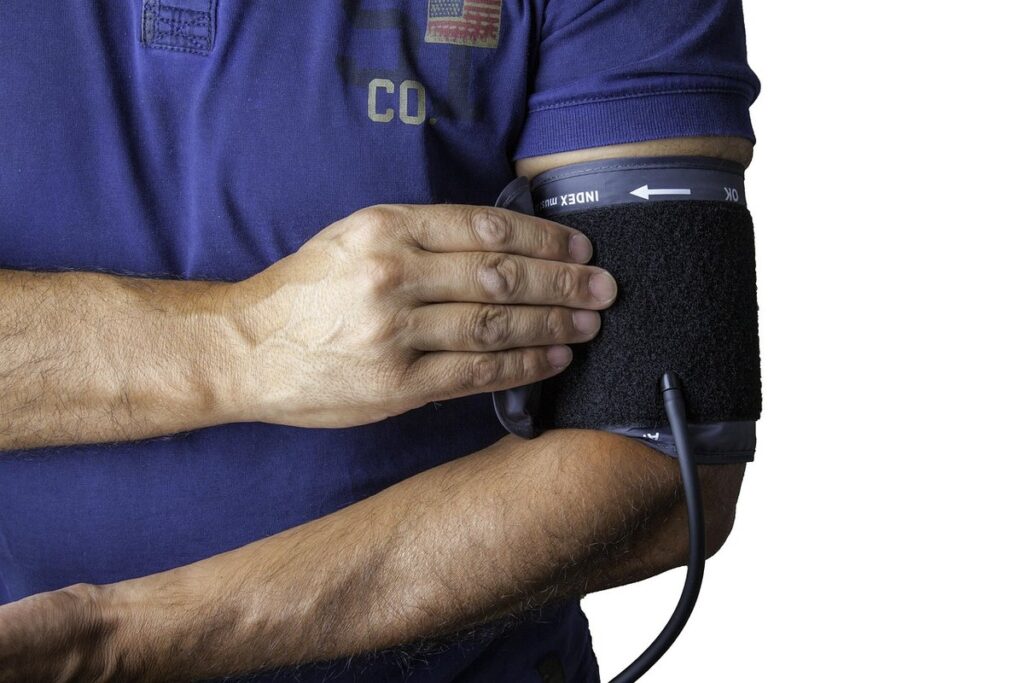
To take accurate blood pressure readings at home using a blood pressure monitor, follow these steps. Start by choosing a quiet and comfortable spot to sit with your back supported. Remove any tight clothing that may be constricting your arm or wrist.
Next, place the cuff around your upper arm, making sure it’s not too tight or too loose. The correct size cuff is essential for accurate readings; typically, a larger cuff is needed for older adults due to increased muscle mass in the arms. If you’re unsure about the cuff size, consult the manufacturer’s guidelines.
Now, position your arm at heart level and ensure the monitor is placed at a comfortable distance from your eyes. Take three consecutive readings, allowing one minute between each measurement. It’s essential to take multiple readings to account for any initial anxiety or movement that may affect the reading.
A small minority of monitors require you to inflate the cuff yourself using a bulb; most modern devices will automatically inflate and deflate the cuff. If you’re unsure about your monitor’s specific requirements, consult its user manual.
Lifestyle Changes to Manage High Blood Pressure
Making lifestyle changes is often the first step towards managing high blood pressure, and small tweaks can add up to make a big difference in your overall health. Simple habits like regular exercise and stress-reducing activities are essential for seniors with hypertension.
Dietary Modifications for Seniors with Hypertension
Reducing sodium intake is a crucial step for seniors with hypertension. The American Heart Association recommends limiting daily sodium consumption to less than 1,500 milligrams. For context, a single can of soup or a packet of instant noodles can contain up to 1,000 milligrams of sodium. To put this into perspective, consider the typical senior’s diet: processed meats, canned vegetables, and soups are common staples that can quickly add up to excessive sodium levels.
In addition to reducing sodium intake, increasing potassium-rich foods is also essential for managing blood pressure. Potassium helps lower blood pressure by balancing out the effects of sodium in the body. Focus on incorporating potassium-rich foods like leafy greens (spinach, kale), sweet potatoes, and avocados into your diet. Aim for at least 4-5 servings a day.
Some simple swaps can make a big difference: choose low-sodium soups or cook from scratch using herbs and spices instead of salt. Also, be mindful of hidden sources of sodium in foods like bread, cereals, and energy bars. By making these dietary modifications, you can take a significant step towards managing your blood pressure and reducing your risk of complications associated with hypertension.
Exercise and Physical Activity for Older Adults with Hypertension
Regular exercise and physical activity are crucial for managing high blood pressure among seniors. Physical inactivity is a significant risk factor for hypertension, while regular physical activity can help lower blood pressure and reduce the risk of cardiovascular disease.
The American Heart Association recommends at least 150 minutes of moderate-intensity aerobic activity or 75 minutes of vigorous-intensity aerobic activity per week for adults with hypertension. However, this may be challenging for seniors due to mobility issues or chronic conditions.
Low-impact exercises are an excellent option for older adults with hypertension. Examples include brisk walking, swimming, cycling, and dancing. These activities can be modified to suit individual fitness levels and can be done at home or in a community center. For instance, chair yoga is a low-impact exercise that combines gentle stretches and movements to improve flexibility and balance.
When choosing exercises, consider the following factors:
- Short sessions: Aim for 10-15 minute intervals with regular breaks.
- Low impact: Avoid high-impact activities like running or jumping, which can strain joints.
- Social support: Engage in group classes or find a workout buddy to stay motivated.
Medications and Supplements to Manage Blood Pressure
When it comes to managing high blood pressure, medications and supplements can play a crucial role, but what options are safe and effective for seniors? We’ll explore some of these alternatives in this section.
Common Medications Used to Treat High Blood Pressure in Seniors
Diuretics are often the first-line treatment for high blood pressure in seniors. These medications work by increasing urine production, which helps remove excess fluid from the body and lower blood pressure. Common diuretic medications used to treat hypertension in older adults include hydrochlorothiazide (HCTZ) and furosemide (Lasix). Beta blockers, such as atenolol (Tenormin), are another common type of medication used to manage high blood pressure in seniors. These medications work by reducing the heart rate and the force of the heart’s contractions, which can help lower blood pressure.
ACE inhibitors, like lisinopril (Zestril) and enalapril (Vasotec), also frequently prescribed for seniors with hypertension, block the action of angiotensin-converting enzyme, a naturally occurring substance that causes the blood vessels to constrict. By blocking this enzyme, ACE inhibitors help relax blood vessels, which can lead to lower blood pressure readings. Your doctor will work with you to determine the best medication or combination of medications for your specific needs and health status. When starting any new medication, be sure to follow the dosing instructions carefully and report any side effects to your healthcare provider.
Natural Supplements That May Help Lower Blood Pressure
Some natural supplements have been studied for their potential to help lower blood pressure. Omega-3 fatty acids, particularly EPA and DHA, may contribute to reduced systolic blood pressure levels. A 2019 review of 17 clinical trials found that omega-3 supplementation resulted in a significant decrease in blood pressure.
CoQ10 is another supplement that has been researched for its effects on blood pressure. This antioxidant helps generate energy within cells and can also have vasodilatory properties, which may help lower blood pressure. A small study published in 2012 showed that CoQ10 supplementation significantly reduced blood pressure in patients with essential hypertension.
Magnesium and potassium are two essential minerals that play a crucial role in maintaining healthy blood pressure levels. Magnesium helps regulate the heart’s rhythm and can also act as a vasodilator, while potassium helps counterbalance sodium’s effects on blood pressure. The American Heart Association recommends a balanced diet rich in these minerals to support overall cardiovascular health.
When considering supplements, it is essential to talk to your healthcare provider before adding any new products to your regimen. They can help you determine the best course of action based on your individual needs and medical history.
Additional Strategies for Managing High Blood Pressure
For many seniors, managing blood pressure requires a multifaceted approach. This next step focuses on incorporating lifestyle and behavioral adjustments to achieve optimal results.
Stress Management Techniques for Seniors with Hypertension
For seniors living with hypertension, managing stress is crucial to maintaining blood pressure control. Chronic stress can trigger a fight-or-flight response, causing blood vessels to constrict and increasing blood pressure. To mitigate this effect, try incorporating relaxation techniques into daily routines.
Meditation is an excellent starting point. Even brief sessions – 5-10 minutes twice a day – can be beneficial. Download a meditation app or follow along with guided videos on YouTube. Focus on slow, deliberate breathing, allowing the mind to quiet and tension to release.
Yoga is another effective stress-reduction tool. Choose low-intensity classes or follow gentle flows at home. Poses like downward-facing dog, child’s pose, and seated forward bend can help calm the nervous system. Practice deep, diaphragmatic breathing while holding each pose.
Deep breathing exercises are simple yet potent. Sit comfortably with back straight, inhale deeply through the nose for a count of four, hold for two, exhale slowly through the mouth for four, and pause again before repeating. Aim to practice this technique three times a day.
Home Modifications to Support Blood Pressure Management
Installing handrails in strategic locations is a simple yet effective home modification for seniors with high blood pressure. By providing support and stability, handrails can reduce the risk of falls and associated injuries, which can lead to increased stress levels and elevated blood pressure. Consider installing handrails near entrances, hallways, and stairs, as well as in bathrooms and kitchens.
Rearranging furniture to improve accessibility is another crucial modification. Ensure that pathways are clear and clutter-free, allowing seniors to move around their homes with ease. Remove any tripping hazards, such as throw rugs or cords, and consider using non-slip mats in areas where moisture is present, like the bathroom or kitchen.
Additionally, consider investing in a shower chair or bench to reduce strain on legs and muscles during bathing. This can be especially helpful for seniors who have difficulty standing for long periods or experience pain when walking.
Some other home modifications worth considering include:
- Installing rocker-light switches and thermostats at accessible heights
- Using nightlights to improve navigation in the dark
- Rearranging storage spaces to reduce clutter and promote ease of use
Frequently Asked Questions
Can I use home blood pressure monitors instead of going to the doctor for regular checks?
Yes, using a home blood pressure monitor can be an effective way to regularly check your blood pressure, especially if you have difficulty getting to the doctor’s office. However, it’s essential to ensure that your monitor is accurate and calibrated correctly.
What if I’m already taking medication, but my diet and lifestyle haven’t changed? Will the high blood pressure still decrease?
Yes, even with a healthy lifestyle, medication may still be necessary to manage high blood pressure. Your doctor can help you determine the best course of treatment based on your individual needs.
Are there any specific foods I should avoid or limit in my diet if I have hypertension?
Foods high in sodium and saturated fats should be limited, especially processed meats and full-fat dairy products. Focus on a balanced diet rich in fruits, vegetables, whole grains, and lean protein sources to help manage blood pressure.
How often should I review and adjust my medication regimen with my doctor?
Regular check-ins with your healthcare provider are crucial for adjusting your medication as needed. Typically, this is every 3-6 months, but it may vary depending on your individual circumstances.