
Low blood pressure, or hypotension, is a common concern for many older adults. You may have noticed that your older relatives or friends seem to be more susceptible to dizziness and fainting spells, but do you know why this happens? As we age, our bodies undergo natural changes that can affect the way our heart pumps blood throughout the body. One of these changes is a decrease in blood pressure, which can lead to complications if left untreated. In this article, we’ll explore the causes and symptoms of low blood pressure in elderly individuals, as well as effective treatment options and management strategies to help prevent complications such as falls and organ damage. By understanding hypotension and how to manage it, you’ll be better equipped to support your loved ones and ensure their overall health and wellbeing.
Understanding Hypotension in Older Adults
As we explore low blood pressure in elderly, it’s essential to understand how hypotension affects older adults differently than younger populations. We’ll break down this crucial aspect of aging and blood pressure management.
Prevalence and Risk Factors
Medications are a common cause of low blood pressure in elderly individuals. Certain medications can lower blood pressure as a side effect, including diuretics, beta blockers, and angiotensin-converting enzyme (ACE) inhibitors. For example, furosemide is a diuretic that increases urine production to help remove excess fluid from the body. However, it can cause dehydration, especially if taken in high doses or without adequate fluid replacement.
Dehydration is another risk factor for low blood pressure in elderly individuals. This can occur due to inadequate fluid intake, excessive sweating, or underlying conditions such as kidney disease or diarrhea. Electrolyte imbalances can also contribute to hypotension. For instance, a lack of potassium can lead to muscle weakness and fatigue, while a deficiency in magnesium can cause dizziness and lightheadedness.
Certain health conditions are more common in older adults and increase the risk of developing low blood pressure. These include heart failure, kidney disease, and anemia. Additionally, nutritional deficiencies such as vitamin B12 or iron deficiency can contribute to hypotension. Identifying underlying causes is crucial for effective management and treatment of low blood pressure in elderly individuals.
Normal vs. Abnormal Blood Pressure Levels for Seniors
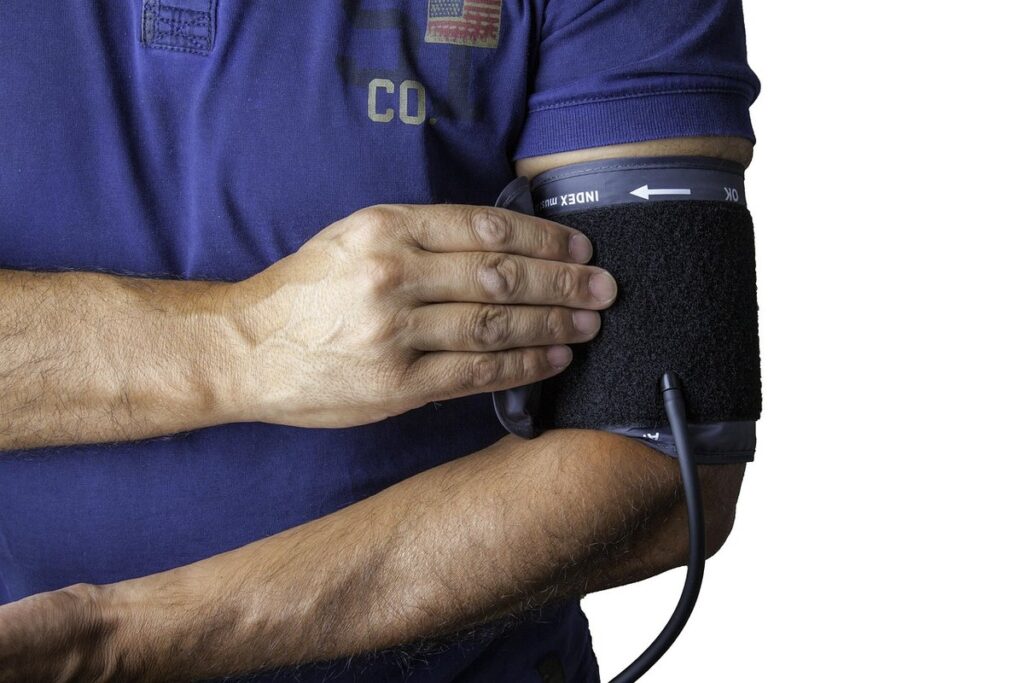
Blood pressure is typically measured using a sphygmomanometer, with two numbers representing systolic (upper) and diastolic (lower) readings. For seniors, normal blood pressure levels are generally considered to be below 130/80 mmHg, according to the American Heart Association. However, as people age, their blood vessels become less compliant, which can lead to a decrease in blood pressure.
Abnormal blood pressure levels for older adults are typically defined as readings that fall significantly below this threshold. For instance, a systolic reading of 90-100 mmHg or lower is often considered hypotensive in seniors. In some cases, very low blood pressure may not cause noticeable symptoms, but it can still increase the risk of falls, fainting episodes, and other complications.
It’s essential to monitor blood pressure regularly, especially for older adults who are taking medications that can affect their blood pressure or have underlying health conditions that may contribute to hypotension. If you’re caring for a senior, make sure they understand how to take their blood pressure correctly and record the readings accurately. This will help you and their healthcare provider track any changes and make informed decisions about treatment.
Importance of Monitoring and Managing Hypotension
Monitoring hypotension is crucial because even mild cases can lead to a decline in cognitive function, increased risk of falls, and reduced quality of life. For older adults, the brain’s ability to regulate blood pressure is often impaired, making it more challenging for them to adapt to changes.
Failure to manage hypotension can result in decreased urine output, which may necessitate hospitalization or even lead to acute kidney injury. Furthermore, untreated or severe hypotension can trigger a cascade of complications, including cardiac arrhythmias and even heart failure.
In managing hypotension, healthcare providers often focus on addressing underlying causes, such as dehydration, electrolyte imbalances, or medication side effects. This might involve adjusting medications, increasing fluid intake, or implementing other non-pharmacological interventions. The goal is to restore a stable blood pressure while minimizing the risk of adverse reactions.
A crucial step in managing hypotension is regular monitoring of vital signs and adjustments as needed. This may require patients to keep a log of their symptoms, medication schedules, and physical activity levels to help healthcare providers identify potential triggers and adjust treatment plans accordingly.
Symptoms and Complications of Low Blood Pressure
If you’re living with low blood pressure, it’s essential to be aware of the possible symptoms and complications that can arise from prolonged episodes of hypotension. These can range from mild discomfort to life-threatening conditions.
Common Symptoms in Elderly Individuals
Dizziness and lightheadedness are common symptoms of low blood pressure in elderly individuals. You may experience a feeling of being unsteady on your feet, which can increase the risk of falls. Fainting, or syncope, is also a potential symptom, especially when standing up quickly from a seated position. In some cases, low blood pressure can cause fatigue, which can be severe enough to interfere with daily activities.
Other symptoms may include confusion, headache, and nausea. Some people may experience a rapid heartbeat or palpitations, while others may feel anxious or irritable. These symptoms can be subtle at first but worsen over time if left untreated. It’s essential for older adults to be aware of these warning signs and seek medical attention promptly.
In addition to these physical symptoms, low blood pressure can also cause cognitive impairment, including memory loss and difficulty concentrating. This is because the brain relies on a consistent supply of blood to function properly, and low blood pressure can disrupt this process. If you’re experiencing any of these symptoms, consult with your healthcare provider for proper evaluation and treatment.
Potential Complications of Untreated or Severe Hypotension
Untreated or severe hypotension can lead to a range of complications in elderly individuals. One of the most significant risks is falls and related injuries. Low blood pressure can cause dizziness, lightheadedness, and even fainting spells, making it difficult for seniors to maintain their balance. According to studies, falls are a leading cause of injury and death among older adults.
Cognitive impairment is another potential complication of untreated hypotension. Research suggests that chronic low blood pressure may contribute to cognitive decline, including memory loss and confusion. In some cases, this can be severe enough to impact daily functioning and independence.
Untreated or severe hypotension also increases the risk of cardiovascular disease. Low blood pressure can reduce blood flow to vital organs, including the heart, brain, and kidneys. This increased stress on these organs can lead to conditions such as coronary artery disease, heart failure, and kidney damage. It’s essential for seniors with low blood pressure to work closely with their healthcare provider to manage their condition and mitigate these risks.
Causes and Contributing Factors
Low blood pressure can be caused by a variety of factors, including certain medications, underlying medical conditions, and nutritional deficiencies. Let’s take a closer look at these potential causes and how they might impact your loved one’s health.
Medications and Their Impact on Blood Pressure
Certain medications can significantly contribute to low blood pressure in elderly individuals. Diuretics, which are commonly prescribed for conditions like high blood pressure and heart failure, work by increasing urine production and removing excess fluid from the body. However, this can lead to a drop in blood volume, causing blood pressure to decrease.
Beta-blockers, another type of medication used to treat cardiovascular diseases, also have a similar effect on blood pressure. By blocking the effects of adrenaline, beta-blockers reduce heart rate and the force of heart contractions, which can lower blood pressure.
In addition to diuretics and beta-blockers, other medications that may contribute to low blood pressure in older adults include calcium channel blockers, ACE inhibitors, and certain antidepressants. These medications can have a cumulative effect on blood pressure regulation, especially when taken in combination with other medications or by individuals who are already susceptible to hypotension.
To mitigate the risk of medication-induced low blood pressure, healthcare providers may need to adjust dosages or switch patients to alternative treatments.
Dehydration and Electrolyte Imbalances
Dehydration can significantly contribute to hypotension in elderly individuals. When the body loses more fluids than it takes in, blood volume decreases, leading to a drop in blood pressure. This is especially concerning for older adults, as their bodies are less efficient at regulating fluid balance and may have underlying kidney or heart conditions that impair hydration.
Electrolyte imbalances also play a crucial role in hypotension. Electrolytes such as sodium, potassium, and chloride help regulate the amount of water in the body’s cells and maintain proper blood volume. When these electrolytes become depleted, fluid shifts from the bloodstream to other areas of the body, further lowering blood pressure.
A common example is when older adults experience excessive sweating due to fever, infection, or medication side effects. If not replenished, this can lead to dehydration and subsequent hypotension. Additionally, certain medications like diuretics can cause electrolyte imbalances by increasing urine production, further exacerbating the issue. Maintaining adequate hydration and monitoring electrolyte levels is essential for preventing and managing hypotension in elderly individuals.
Underlying Health Conditions
Heart disease is a significant underlying health condition that can contribute to low blood pressure in older adults. Atherosclerosis, which is the narrowing of arteries due to plaque buildup, can reduce cardiac output and lead to decreased blood pressure. Furthermore, heart failure, particularly left-sided failure, often results in reduced cardiac output, causing hypotension.
Diabetes is another crucial underlying condition that affects blood pressure regulation. High blood sugar levels over time can damage blood vessels, impairing the body’s ability to regulate blood pressure. Older adults with diabetes are more likely to experience fluctuations in blood glucose and electrolyte imbalances, further exacerbating hypotension.
Anemia, a decrease in red blood cells or hemoglobin, is also linked to low blood pressure in seniors. This condition can lead to inadequate oxygen delivery to tissues, triggering a drop in blood pressure. Additionally, certain types of anemia, such as iron-deficiency anemia, are more prevalent among older adults and may contribute to hypotension.
In individuals with these underlying health conditions, managing blood pressure requires close monitoring and collaboration between healthcare providers and patients to balance treatment for the primary condition while addressing hypotension.
Diagnosis and Treatment Options
If you’re looking for answers, knowing your treatment options is crucial; we’ll cover medication, lifestyle changes, and when to seek medical attention.
Diagnostic Tests for Hypotension
A thorough diagnosis of hypotension involves a combination of physical exams, medical history review, and diagnostic tests. A healthcare provider will typically start by conducting a physical exam to check for signs of poor circulation, such as cool or pale skin, weak pulse, or dizziness when standing up. This is often accompanied by a medical history review to identify any underlying health conditions that may be contributing to low blood pressure.
Blood pressure monitoring is another essential diagnostic test. Healthcare providers use a sphygmomanometer to measure a patient’s systolic and diastolic blood pressures at various times of the day, including when they wake up, before meals, and after physical activity. This helps identify if their blood pressure drops significantly during certain activities or at specific times.
Other diagnostic tests may include:
- Electrolyte panels to check for imbalances in sodium, potassium, or other electrolytes
- Blood glucose tests to evaluate blood sugar levels
- Complete blood counts (CBCs) to assess red and white blood cell production
- ECGs to monitor heart rhythm and detect any potential cardiac issues
These diagnostic tests help healthcare providers determine the underlying cause of hypotension and develop an effective treatment plan. By understanding the specific factors contributing to low blood pressure, seniors can receive targeted care that addresses their unique needs and improves overall health outcomes.
Non-Pharmacological Interventions
Non-pharmacological interventions can play a crucial role in managing hypotension in elderly individuals. One of the most effective ways to address low blood pressure is through lifestyle changes. Encouraging seniors to engage in regular physical activity, such as short walks or light exercises, can help improve circulation and increase blood volume.
A balanced diet rich in essential nutrients is also vital for maintaining healthy blood pressure levels. Increasing salt intake, particularly for those on a low-sodium diet, may be necessary to replenish lost electrolytes and fluids. However, it’s essential to consult with a healthcare professional before making any significant changes to their diet.
In addition to lifestyle modifications, fluid replacement therapy can help alleviate hypotension. Drinking water or electrolyte-rich beverages, such as coconut water or sports drinks, can help restore lost fluids and balance electrolyte levels. Furthermore, some studies suggest that increasing magnesium intake through food sources like dark leafy greens or nuts may also be beneficial in managing blood pressure.
Treatment and Management of Low Blood Pressure
Low blood pressure treatment plans often involve a combination of lifestyle adjustments, medication, and close monitoring to prevent complications and maintain overall health. We’ll explore these strategies in more detail below.
Pharmacological Treatments for Hypotension
When treating low blood pressure in elderly individuals, pharmacological interventions may be necessary to stabilize blood pressure and prevent complications. Vasopressors are a class of medications that constrict blood vessels and increase blood pressure. Examples of vasopressors used in this context include norepinephrine, dopamine, and phenylephrine.
Fluid therapy is also commonly used to treat hypotension. This may involve administering intravenous fluids, such as saline or dextrose solutions, to replenish lost volume and improve circulation. Electrolyte imbalances can be corrected with specific supplements, like potassium or magnesium.
It’s essential for healthcare providers to carefully monitor elderly patients receiving these treatments, as they can have significant side effects. For instance, vasopressors can cause increased heart rate and cardiac workload, while fluid therapy may lead to pulmonary edema in susceptible individuals.
Treatment decisions should be guided by the patient’s specific condition, overall health status, and medication regimen. A healthcare provider may also consider adjusting medications that contribute to hypotension, such as diuretics or beta-blockers.
Advanced Treatment Options
In severe cases of resistant hypotension, advanced treatment options may be necessary to stabilize blood pressure and prevent further complications. Hospitalization is often required for close monitoring and management. This may involve admission to an intensive care unit (ICU) where a team of healthcare professionals can provide around-the-clock care.
Advanced treatments typically include pharmacological interventions such as vasopressors, which are medications that constrict blood vessels to increase blood pressure. In some cases, a combination of medications may be used to achieve optimal results. For example, a vasopressor might be administered in conjunction with an intravenous fluid bolus to rapidly expand plasma volume and improve circulation.
Other advanced treatments may include the use of devices such as pacemakers or implantable cardioverter-defibrillators (ICDs) to regulate heart rhythm and rate. In rare cases, surgical interventions like pericardiocentesis may be necessary to relieve cardiac tamponade, a condition where fluid accumulation in the sac surrounding the heart impairs its function.
The decision to pursue advanced treatment options should be made in consultation with a healthcare provider who can weigh the risks and benefits of each approach.
Frequently Asked Questions
How long does it take to notice improvements in blood pressure with non-pharmacological interventions?
If you’ve made significant lifestyle changes and dietary modifications to manage hypotension, it’s common to see improvements in blood pressure within 2-4 weeks. However, this can vary depending on the individual and the severity of their condition. Regular monitoring and adjustments to your treatment plan may be necessary to achieve optimal results.
Can I take over-the-counter medications for dehydration or electrolyte imbalances without consulting my doctor?
No, if you suspect you’re experiencing dehydration or electrolyte imbalances contributing to low blood pressure, it’s essential to consult your doctor before taking any over-the-counter medications. They can help determine the best course of treatment and recommend specific supplements or medications to balance your levels.
How do I know when I need advanced treatment options for severe hypotension?
If you’re experiencing severe symptoms such as difficulty breathing, chest pain, or confusion, seek immediate medical attention. Advanced treatment options like hospitalization and intensive care may be necessary if your condition is not responding to standard treatments or if you have underlying health conditions that require close monitoring.
What are some potential interactions between medications I’m currently taking and those prescribed for low blood pressure?
Certain medications can interact with each other, affecting the efficacy of either treatment. Be sure to inform your doctor about all prescription and over-the-counter medications, vitamins, and supplements you’re taking. They will monitor for any potential interactions and adjust your medication plan as needed.
Can I manage hypotension on my own without consulting a healthcare professional?
While some lifestyle changes can help manage mild hypotension, it’s essential to consult a healthcare professional if you have underlying health conditions or are experiencing severe symptoms. They can provide personalized guidance, monitor your condition, and adjust treatment plans as needed to ensure optimal management of low blood pressure.