
As we age, staying active and healthy becomes increasingly crucial for maintaining our independence. But finding a fitness program that suits our needs can be daunting, especially when faced with new exercises or unfamiliar gym settings. The good news is that there are plenty of tailored programs designed specifically for seniors like us! In this comprehensive guide, we’ll dive into the best fitness programs, exercises, and tips tailored to help you stay healthy, active, and independent well into your golden years. From low-impact aerobics to strength training and flexibility exercises, we’ll cover it all. Whether you’re looking to get back on track or simply want to maintain a consistent routine, this article will equip you with the knowledge and motivation to make fitness a lifelong habit.
Importance of Exercise for Seniors
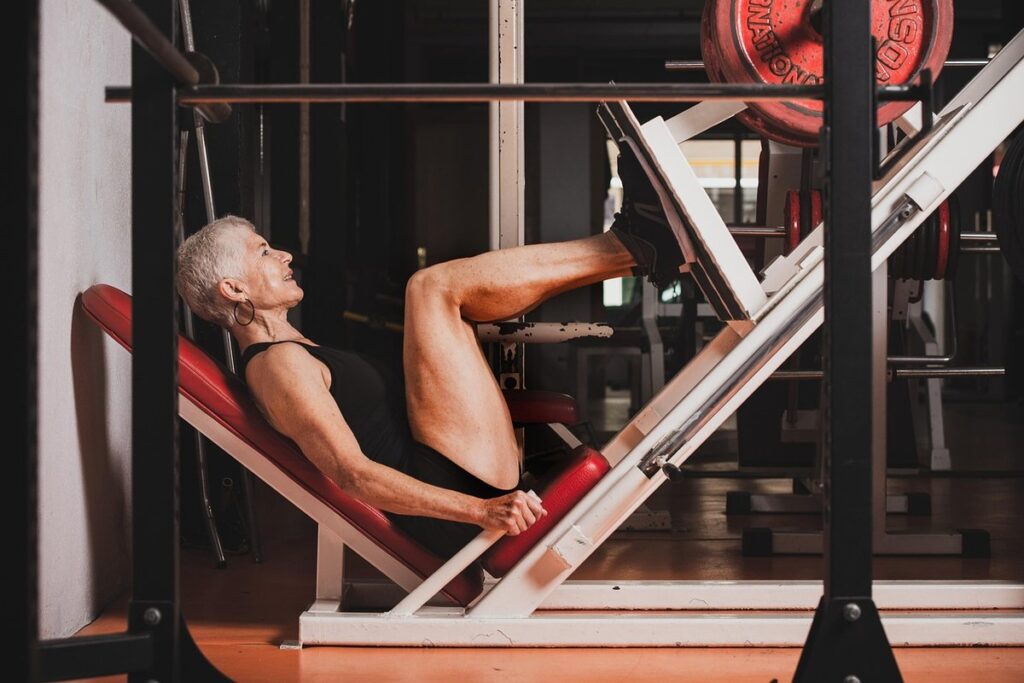
Regular exercise is crucial for seniors, as it can help maintain mobility, prevent chronic diseases, and improve overall quality of life. Let’s explore why physical activity is so vital for older adults.
Understanding the Benefits of Regular Physical Activity
Regular physical activity is a crucial component of overall health and well-being for seniors. When exercised regularly, older adults can significantly reduce their risk of chronic diseases such as heart disease, stroke, and diabetes. Exercise also plays a vital role in managing weight, improving sleep quality, and boosting energy levels.
In addition to the physical benefits, regular exercise has a profound impact on mental health. It reduces symptoms of anxiety and depression, improves mood, and enhances cognitive function. A study by the National Institute on Aging found that older adults who engaged in regular physical activity had improved memory and processing speed compared to those who were sedentary.
To reap these benefits, seniors can start with short periods of moderate-intensity exercise, such as brisk walking or light weightlifting. It’s essential to consult with a healthcare professional before beginning any new fitness program. As exercise becomes a habit, intensity and duration can be gradually increased. Even small amounts of physical activity each day can make a significant difference in overall health and well-being.
Overcoming Common Barriers to Exercise in Seniors
Many seniors face unique challenges that can hinder their ability to exercise regularly. For instance, mobility issues such as arthritis or joint pain can make physical activity daunting. Additionally, a lack of motivation stemming from past injuries or health concerns can discourage seniors from getting active.
To overcome these obstacles, it’s essential for seniors to consult with their healthcare provider before starting any new exercise program. This ensures they’re cleared for physical activity and sets realistic goals tailored to their abilities.
Small steps can also help build momentum. For example, instead of trying to start a rigorous workout routine immediately, seniors might begin by simply taking short walks around the block or practicing gentle stretches at home. Engaging in low-impact activities like swimming or cycling can be less stressful on joints while still providing an excellent cardiovascular workout.
Another effective strategy is finding an exercise buddy – whether it’s a family member, friend, or fellow senior – to provide accountability and motivation. By breaking down the exercise process into manageable steps and incorporating enjoyable social elements, seniors can overcome common barriers to physical activity and develop sustainable fitness habits.
Types of Fitness Programs Suitable for Seniors
When it comes to choosing a fitness program, it’s essential to consider your age and health needs. We’ll explore various types of programs suitable for seniors with unique goals and abilities in mind.
Group Fitness Classes Tailored for Seniors
Group fitness classes tailored specifically for seniors have become increasingly popular in recent years, and for good reason. These low-impact workouts cater to the unique needs of older adults, promoting physical activity while minimizing the risk of injury.
Water aerobics, a staple in many senior-focused gyms, is an excellent example of a group fitness class designed with seniors in mind. The water provides buoyancy, reducing impact on joints and allowing for movement without strain. Chair yoga classes also offer modified poses to accommodate limited mobility or strength, while maintaining flexibility and balance.
Dance-based workouts like “Silver Sneakers” are another hit among seniors, incorporating elements of music and social interaction. These classes encourage physical activity through dance movements, improving cardiovascular health, coordination, and overall well-being. Many community centers and gyms now offer these specialized programs, providing a welcoming environment for seniors to stay active.
Consider the following tips when searching for group fitness classes tailored to seniors:
* Look for gyms or studios with experience working with older adults
* Choose low-impact formats that accommodate mobility limitations
* Ask about modifications or accommodations for chronic health conditions
One-on-One Personal Training Sessions with Certified Trainers
Working with a certified personal trainer can be incredibly beneficial, especially for seniors. These professionals have the expertise to create tailored programs that address specific needs and goals. When it comes to seniors, these trainers are particularly well-equipped to adapt exercises to accommodate physical limitations or health conditions.
A one-on-one session with a certified trainer allows for equipment adjustments to ensure proper usage and minimize strain on joints. For instance, they may recommend lighter weights, resistance bands, or even bodyweight exercises that focus on balance and flexibility. Additionally, trainers consider safety considerations unique to seniors, such as falls prevention, mobility limitations, and managing chronic conditions.
In a personal training session, the trainer will work closely with you to understand your fitness goals and preferences, then develop a customized program accordingly. They’ll also provide guidance on proper form and technique to reduce the risk of injury. By investing in one-on-one sessions with certified trainers, seniors can enjoy safe, effective, and enjoyable workouts tailored specifically to their needs.
Creating a Safe and Accessible Workout Environment
When designing a fitness program for seniors, it’s essential to create a safe and accessible workout environment that accommodates physical limitations and promotes independence. This involves considering factors like equipment placement and space layout.
Preparing Your Home or Local Gym for Seniors’ Workouts
When preparing your home or local gym for seniors‘ workouts, it’s essential to prioritize accessibility and safety. This can be achieved through modifications that cater to their specific needs.
Consider installing handrails on walls, stairs, and near equipment to provide support and balance assistance. Also, ensure there are no tripping hazards such as cords or mats scattered across the floor. Installing adjustable benches or seating areas is also a thoughtful addition for seniors with mobility issues.
In terms of equipment, opt for low-impact machines that reduce strain on joints, such as ellipticals, stationary bikes, and rowing machines. Resistance bands and light dumbbells are great alternatives to heavy weights, allowing seniors to maintain strength without the risk of injury.
Additionally, incorporate large mirrors or televisions to display workout routines, ensuring seniors can follow along comfortably. Installing accessible storage for water bottles, towels, and other essentials is also a thoughtful consideration.
Understanding Age-Related Health Conditions that Affect Exercise
As we age, our bodies undergo natural changes that can affect our ability to exercise safely. Two common age-related health conditions that may impact seniors’ exercise routine are osteoporosis and arthritis.
Osteoporosis is a condition characterized by weakened bones that make them more susceptible to fractures. Seniors with osteoporosis should avoid high-impact exercises like running or jumping, as they can put excessive stress on the bones. Instead, low-impact exercises such as yoga, swimming, or cycling are recommended. To manage osteoporosis through exercise, focus on strengthening the muscles around the affected joints without putting excessive strain on the bones.
Arthritis is a condition that causes inflammation and pain in the joints, making it challenging to move freely. Seniors with arthritis should avoid high-impact exercises and opt for low-impact activities like tai chi or water-based exercises. To manage arthritis through exercise, focus on improving joint mobility and strengthening surrounding muscles without exacerbating the condition.
In both cases, it’s essential to consult with a healthcare professional before starting any new exercise program. They can help create a personalized plan that takes into account individual health conditions and limitations. By making informed choices about exercises and precautions, seniors can stay active while minimizing the risk of injury or further exacerbating age-related health conditions.
Choosing the Right Fitness Equipment for Seniors
When selecting fitness equipment, consider your age, mobility, and health needs to choose machines that are both effective and safe. This will help you make an informed decision about your next workout investment.
Adjustable Equipment for Comfort and Support
When it comes to fitness programs for seniors, having the right equipment can make all the difference. That’s why adjustable equipment designed specifically with seniors in mind is a game-changer. Take ergonomic chairs, for instance. These chairs allow you to adjust the height, armrests, and even the lumbar support to fit your body perfectly.
Adaptable weight machines are another excellent option. With these machines, you can easily adjust the weight settings and seat heights to accommodate your physical needs. This means that regardless of whether you’re recovering from an injury or simply need a little extra support, you can modify the equipment on the fly to ensure a safe and comfortable workout.
Some popular examples include the Nautilus adjustable bench press machine and the Precor adaptable elliptical trainer. These machines allow you to tailor your workout to fit your body’s unique needs, reducing the risk of injury while still delivering an effective and engaging exercise experience.
Low-Impact Cardio Machines Suitable for Older Adults
When it comes to low-impact cardio machines suitable for older adults, there are several options that can provide an effective cardiovascular workout while being gentle on joints. Recumbent bikes are a popular choice, allowing users to pedal while seated comfortably with minimal strain on the knees and hips.
Elliptical trainers are another great option, mimicking the motion of running without the high-impact stress on the joints. Many models come equipped with adjustable resistance levels, allowing users to customize their workout according to their fitness level.
Rowing machines are also a low-impact alternative to traditional cardio exercises like jogging or cycling. They work multiple muscle groups simultaneously, providing a full-body workout while being easy on the joints. When choosing a low-impact cardio machine, consider factors such as adjustability, comfort, and ease of use.
It’s essential for older adults to consult with their healthcare provider before starting any new exercise program, including using these machines. With proper guidance and equipment selection, low-impact cardio machines can be an excellent addition to a senior fitness routine, promoting cardiovascular health and overall well-being.
Staying Motivated and Accountable Through Community Support
Surrounding yourself with others who share your goals can be a powerful motivator, and finding community support is crucial to staying on track. This section will explore how to find and engage with supportive groups.
Joining Senior Fitness Clubs or Groups
Joining senior fitness clubs or groups can be a fantastic way to boost motivation and accountability while staying active. Not only do these groups provide a supportive environment, but they also offer opportunities for socialization and camaraderie, which are essential for seniors’ overall well-being.
When joining a senior fitness club or group, you can expect to find like-minded individuals who share similar goals and interests. This shared experience can help create a sense of belonging, making it easier to stay motivated and committed to your fitness routine. Many clubs also offer structured exercise programs, led by experienced instructors who cater specifically to seniors’ needs.
To get the most out of joining a senior fitness club or group, consider the following tips: research local options in your area, such as community centers, senior centers, or gyms that specialize in senior fitness; attend an introductory session or trial class to gauge the atmosphere and level of interaction; and don’t be afraid to reach out to the instructors or other members for support and guidance.
By joining a senior fitness club or group, you can turn exercising into a fun and engaging experience that brings joy and fulfillment to your life.
Working with a Workout Buddy or Accountability Partner
Having a workout buddy or accountability partner can be a game-changer for seniors looking to stay motivated and committed to their fitness goals. This could be a family member, friend, or even a personal trainer who shares similar interests and fitness levels.
Research has shown that exercising with a partner can increase physical activity by 65% compared to working out alone (1). A workout buddy provides moral support, encouragement, and accountability, making it easier to stick to your routine. They can also offer valuable advice and suggestions based on their own experiences, helping you navigate any challenges or plateaus.
To find the right workout buddy, consider joining a senior fitness class or group that aligns with your interests and abilities. You can also ask friends or family members if they’d like to join you in a regular exercise routine. Remember, it’s not just about having someone to work out with – it’s about creating a support system that will help you reach your health and wellness goals.
When choosing a workout buddy, consider their fitness level, schedule, and availability. This will ensure that you both are on the same page and can motivate each other effectively.
Final Tips for a Successful Senior Fitness Journey
As you embark on your senior fitness journey, it’s essential to remember that consistency is key. Sticking to your routine may seem challenging at first, but the benefits far outweigh any initial struggles. Make sure to schedule your workouts in your daily planner or set reminders on your phone to ensure you never miss a session.
Additionally, don’t be afraid to mix things up and try new activities. This will keep your workouts engaging and prevent plateaus. Consider joining a fitness class specifically designed for seniors, where you can meet like-minded individuals and gain motivation from their company. Lastly, celebrate your small victories along the way – acknowledge the tiny steps towards better health that may seem insignificant at first, but ultimately add up to significant improvements in overall well-being.
Frequently Asked Questions
Can I start a fitness program for seniors without medical clearance?
Yes, it’s recommended to consult with your doctor before starting any new exercise program, especially if you have any underlying health conditions. However, many fitness programs for seniors are designed to be low-impact and gentle on the joints, making them suitable for most older adults.
How often should I expect to work out in a senior fitness program?
The frequency of workouts will vary depending on your goals and current fitness level. Typically, senior fitness programs recommend 2-3 times per week, with at least one day of rest in between. As you progress, you can gradually increase the frequency and intensity of your workouts.
What if I have trouble keeping up with a group fitness class?
No need to worry! Many senior fitness classes offer modifications or alternatives for participants who may need a lower level of intensity. Additionally, some programs offer one-on-one personal training sessions or online workout plans tailored to individual needs and abilities.
How can I ensure the equipment is safe and accessible in my home gym?
When selecting equipment for your home gym, look for pieces with adjustable heights and weights, as well as those designed specifically for seniors (e.g., balance boards, walking aids). Additionally, consider consulting with a healthcare professional or certified trainer to assess your space and recommend modifications for optimal safety.
What if I’m unable to attend group fitness classes due to mobility issues?
Don’t let mobility limitations hold you back! Many senior fitness programs offer online workout plans, video tutorials, or one-on-one sessions that can be done from the comfort of your own home. These resources allow you to stay active and engaged with your fitness goals despite physical challenges.