
Knee pain is an all-too-common affliction for many elderly individuals, affecting not only their quality of life but also their mobility and independence. As we age, our joints undergo natural wear and tear, making us more susceptible to knee pain caused by conditions like osteoarthritis. It’s essential to address this issue head-on, as unrelenting knee pain can lead to depression, social isolation, and a decline in physical health.
In this comprehensive guide, we’ll delve into the world of knee pain in elderly individuals, exploring its various causes, symptoms, diagnosis methods, treatment options, and prevention strategies. By understanding what contributes to knee pain and learning how to manage it effectively, you can take control of your health and wellbeing. Whether you’re a senior looking for ways to alleviate your discomfort or a family member seeking support for a loved one, this article aims to provide valuable insights and practical advice on managing knee pain in elderly individuals.
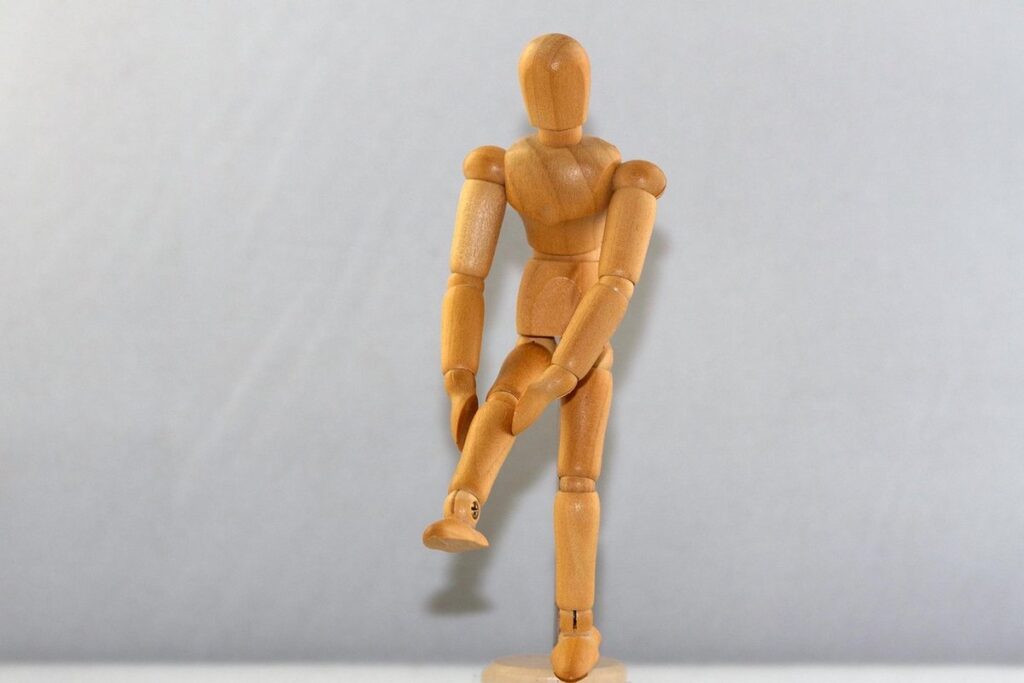
Understanding Knee Pain in the Elderly
Knee pain is a common issue among older adults, often caused by wear and tear on joints from years of activity. Let’s explore some of the key reasons behind knee pain in this age group.
Prevalence of Knee Pain Among Seniors
Knee pain is an increasingly common issue among seniors, affecting millions worldwide. As people age, their joints undergo natural wear and tear, leading to degenerative conditions such as osteoarthritis. According to the Centers for Disease Control and Prevention (CDC), approximately 27% of adults aged 65-74 experience knee pain, while this number rises to around 40% among those aged 75 and older.
Aging takes a toll on the knee joint, particularly in areas prone to weight-bearing activities such as walking or climbing stairs. The wear and tear can lead to inflammation, cartilage loss, and bone-on-bone contact, causing pain, stiffness, and limited mobility. Factors contributing to age-related knee pain include obesity, previous injuries, and repetitive strain.
To mitigate the risk of developing knee pain, it’s essential for seniors to maintain a healthy lifestyle, including regular exercise, balanced diet, and weight management. Low-impact activities such as swimming or cycling are recommended, as they reduce stress on joints while promoting overall fitness.
Risk Factors for Developing Knee Pain
When it comes to knee pain in the elderly, understanding the risk factors is crucial for effective management. Several lifestyle factors can contribute to an increased likelihood of developing knee pain. For instance, being overweight or obese puts significant pressure on the knee joint, leading to wear and tear over time. Similarly, a sedentary lifestyle can exacerbate knee problems by weakening surrounding muscles and reducing flexibility.
Certain medical conditions also predispose individuals to knee pain. Conditions like osteoarthritis, rheumatoid arthritis, and gout are common culprits. Furthermore, injuries or trauma to the knee area can lead to chronic pain if not properly addressed. Moreover, family history plays a role in an individual’s susceptibility to knee pain.
In addition to these factors, other contributing elements include age-related changes, such as reduced cartilage and decreased muscle mass. It’s essential for elderly individuals with knee pain to identify and address these underlying risk factors through lifestyle modifications and medical interventions. Regular exercise, maintaining a healthy weight, and addressing any related medical conditions can help alleviate knee pain and improve overall quality of life.
Causes of Knee Pain in the Elderly
As we explore the causes of knee pain in older adults, it’s essential to understand that age-related wear and tear on joints is a common contributor to this issue. Aging can lead to degenerative changes in the knee joint.
Wear and Tear: A Leading Cause of Knee Pain
As we age, our knees undergo significant wear and tear, leading to pain and discomfort. One of the primary causes of knee pain in seniors is osteoarthritis (OA), a degenerative joint disease that affects over 60% of people aged 65 and older. OA wears down the cartilage between joints, causing bones to rub against each other and resulting in chronic pain, stiffness, and limited mobility.
Meniscal tears are another common contributor to knee pain among seniors. The menisci are two crescent-shaped discs that cushion the joint and absorb shock. Tears can occur due to age-related wear and tear, or as a result of injuries like falls or sports activities. When the meniscus is damaged, it can cause locking, clicking, or catching sensations in the knee.
Ligament sprains also contribute to knee pain in seniors. The ligaments surrounding the joint can become stretched or torn due to age-related degeneration, sudden twists, or direct blows to the knee. This can lead to instability and pain when standing, walking, or engaging in activities that put stress on the joint.
To manage wear and tear-induced knee pain, it’s essential for seniors to maintain a healthy weight, as excess pounds put additional pressure on joints. Engaging in low-impact exercises like swimming or cycling can also help improve mobility and reduce stiffness.
Other Medical Conditions Contributing to Knee Pain
In addition to osteoarthritis, there are several other medical conditions that can contribute to knee pain in the elderly. One such condition is diabetes, which can cause nerve damage and lead to numbness, tingling, and pain in the knees. This is often referred to as diabetic neuropathy.
Obesity is another significant risk factor for knee pain in the elderly. Excess weight puts additional stress on the joints, leading to wear and tear over time. According to a study published in the Journal of Orthopaedic & Sports Physical Therapy, obese individuals are more likely to experience knee pain and have a higher likelihood of developing osteoarthritis.
Rheumatoid arthritis is also a common condition that can cause knee pain in older adults. This autoimmune disorder causes inflammation and damage to the joints, leading to pain, stiffness, and swelling. If left untreated, rheumatoid arthritis can lead to severe joint degeneration and disability.
It’s essential for elderly individuals with these underlying medical conditions to work closely with their healthcare providers to develop a comprehensive treatment plan that addresses both their knee pain and any associated conditions.
Symptoms of Knee Pain in the Elderly
Knee pain can manifest differently in older adults, making it essential to recognize common symptoms such as aching, stiffness, and limited mobility. Understanding these signs is crucial for effective management of knee pain.
Common Complaints: Aching, Stiffness, Swelling, and Locking
For seniors experiencing knee pain, common complaints often revolve around sensations of aching and stiffness. This discomfort can be constant or intermittent, making everyday activities challenging. Ache can manifest as a dull throbbing, sharp stabbing, or even a burning sensation, making it difficult to distinguish between the different types.
Stiffness is another frequent complaint among seniors with knee pain. It can cause difficulty in bending or straightening the knee joint, limiting mobility and flexibility. This stiffness might be accompanied by swelling, particularly after periods of rest or prolonged sitting. In some cases, the knee may lock, causing a temporary inability to move it.
When experiencing these symptoms, it’s essential for seniors to understand their limitations and pace themselves accordingly. Activities that exacerbate the condition should be avoided or modified to reduce discomfort. For instance, if certain exercises worsen stiffness, they can be substituted with low-impact alternatives, such as swimming or cycling. Proper posture and body mechanics during daily activities also play a crucial role in managing knee pain.
Impact on Daily Activities
Knee pain can have a significant impact on daily activities for elderly individuals. Simple tasks like walking, climbing stairs, and engaging in hobbies become challenging due to the discomfort and limited mobility. For instance, going for a walk around the block, which was once a regular activity, may now require more effort and time due to knee pain.
Many everyday actions, such as getting up from a chair or bending down to pick something up, become difficult or even painful. This can lead to feelings of frustration and isolation, as seniors may avoid participating in activities they enjoy for fear of exacerbating their knee pain.
To maintain some level of independence, it’s essential to find ways to manage knee pain effectively. Start by pacing yourself when engaging in daily activities, taking regular breaks to rest your knees. Consider using assistive devices like canes or walkers to reduce strain on your knees while performing tasks. Additionally, explore low-impact exercises, such as swimming or cycling, that can help maintain joint mobility without putting excessive stress on the knees.
Diagnosing Knee Pain in the Elderly
When diagnosing knee pain in the elderly, it’s essential to consider a range of possible causes and symptoms that may be unique to this age group. Let’s take a closer look at how medical professionals determine the underlying cause of knee pain.
Clinical Evaluation: A Comprehensive Approach
When diagnosing knee pain in elderly individuals, healthcare professionals take a comprehensive approach to ensure accurate identification of the underlying cause. This starts with obtaining a thorough medical history from the patient. A detailed review of past medical conditions, medications, and lifestyle habits is crucial in understanding potential contributing factors.
A physical examination follows, where the healthcare provider assesses the knee’s range of motion, stability, and alignment. Tests such as joint line tenderness, varus or valgus deformity, and patellofemoral pain syndrome are also conducted to identify specific areas of concern.
Imaging studies like X-rays and MRIs may be ordered to provide a clear visual representation of the knee’s internal structures. These imaging tests can help healthcare professionals detect issues such as osteoarthritis, meniscal tears, or ligament damage. A comprehensive diagnosis takes into account both subjective information from the patient and objective findings from physical examination and imaging studies. This multi-faceted approach enables healthcare providers to develop an effective treatment plan tailored to each individual’s unique needs.
Importance of Early Diagnosis and Intervention
Early diagnosis and intervention are crucial when it comes to managing knee pain in the elderly. Delaying treatment can lead to long-term consequences that compromise quality of life. For instance, untreated osteoarthritis can cause cartilage breakdown, leading to irreversible joint damage.
Identifying signs of knee pain early on enables healthcare professionals to develop targeted treatment plans. This proactive approach helps prevent unnecessary suffering and promotes optimal recovery. Osteoporosis, another common condition affecting the elderly, may be overlooked if not addressed promptly.
When detecting knee pain in older adults, it’s essential to consider the impact on daily activities. Difficulty walking, climbing stairs, or performing everyday tasks can significantly affect a person’s independence. Therefore, healthcare providers should prioritize early detection and intervention to mitigate these consequences.
By acknowledging the importance of timely diagnosis and treatment, individuals can take control of their knee health and work towards a more comfortable, active lifestyle.
Treatment Options for Knee Pain in the Elderly
When considering treatment options for knee pain, it’s essential to understand the various approaches available and what might work best for you. We’ll explore these options in more detail below.
Non-Surgical Approaches: Lifestyle Changes, Medications, and Assistive Devices
When it comes to managing knee pain in the elderly, non-surgical approaches are often the first line of treatment. Lifestyle changes can have a significant impact on reducing knee pain and improving overall quality of life.
Losing weight, if necessary, can be a game-changer for individuals with knee pain. Excess weight puts additional stress on the joints, exacerbating pain and discomfort. Aiming for a healthy weight through a combination of diet and exercise can help alleviate some of this pressure.
Exercise programs specifically designed for older adults are also essential in managing knee pain. Gentle exercises like swimming or cycling can help strengthen muscles around the knee without putting excessive strain on the joint itself. Activities like tai chi or yoga can also improve balance and flexibility, reducing the risk of falls and further injury.
Medications such as ibuprofen or acetaminophen can provide relief from acute pain episodes. However, long-term use should be approached with caution to avoid potential side effects. Assistive devices like orthotics or canes can help redistribute weight and alleviate pressure on the knee joint, providing temporary relief.
It’s essential for individuals with knee pain to consult their healthcare provider before starting any new exercise program or medication regimen. With a little creativity and planning, non-surgical approaches can be an effective way to manage knee pain in the elderly.
Surgical Interventions: Arthroscopy, Replacement, and Other Procedures
When knee pain becomes severe and debilitating, surgery may be considered as a viable option. However, it’s essential to determine if surgery is the best course of action, as it carries its own set of risks and recovery challenges.
Arthroscopy, often used for osteoarthritis or meniscal tears, is a minimally invasive procedure where a surgeon inserts a camera and small instruments through small incisions to repair damaged tissue. Recovery time typically ranges from 2-6 weeks, with most patients able to walk within a few days of the surgery.
Total knee replacement (TKR) is another option for severe osteoarthritis or rheumatoid arthritis. During this procedure, the surgeon removes the damaged joint and replaces it with an artificial one made of metal and plastic components. TKR recovery time can be longer, typically 3-6 months, as patients need to undergo physical therapy to rebuild strength and mobility.
In some cases, other surgical procedures like osteotomy (bone realignment) or ligament reconstruction may be recommended. It’s crucial for elderly individuals with knee pain to consult with their healthcare provider to determine the best surgical intervention based on their specific condition and overall health status.
Preventing Knee Pain in the Elderly
To effectively manage knee pain, it’s essential to take proactive steps to prevent it from occurring in the first place. Let’s explore simple yet effective ways to reduce your risk of knee pain as you age.
Maintaining a Healthy Weight
Maintaining a healthy weight is one of the most effective ways to reduce stress on joints and prevent or delay the onset of knee pain. When you’re overweight or obese, excess weight puts additional strain on your knees, particularly the joint surfaces that bear the brunt of your body’s weight. This increased pressure can lead to wear and tear on the cartilage, causing it to degenerate faster than usual.
Studies have shown that even a moderate amount of weight loss – as little as 10-15 pounds – can make a significant difference in reducing knee pain and improving mobility. For example, a study published in the Journal of Orthopaedic Research found that overweight individuals who lost weight through diet and exercise experienced a notable reduction in knee pain and improved joint function.
To maintain a healthy weight and reduce your risk of knee pain, aim to lose 1-2 pounds per week through a combination of diet and regular physical activity. Focus on whole, unprocessed foods like fruits, vegetables, lean proteins, and whole grains, and avoid sugary drinks and snacks. Additionally, incorporate low-impact exercises like walking, swimming, or cycling into your daily routine to keep your joints mobile without putting excessive strain on them.
Staying Active: Exercise Programs for Seniors
Staying active is crucial for seniors with knee pain to maintain mobility, prevent further complications, and improve overall quality of life. However, high-impact exercises can exacerbate knee pain, making it essential to focus on low-impact activities that promote flexibility, strength, and cardiovascular health without putting excessive stress on the joints.
Consider incorporating exercises like swimming, cycling, or using an elliptical machine into your routine. These low-impact activities are easy on the knees while providing an excellent cardio workout. For added flexibility and strength, try incorporating yoga or Pilates into your exercise regimen. Many community centers offer specialized classes designed specifically for seniors with knee pain.
Additionally, consider walking programs that promote gradual progressions in distance and intensity. Walking with a friend or family member can provide motivation and social interaction while reducing the risk of injury. It’s also essential to start slowly and gradually increase the frequency and duration of your workouts to allow your body to adapt and recover.
Conclusion: Empowering Seniors to Manage Knee Pain
In conclusion, managing knee pain in the elderly requires a comprehensive approach that addresses physical, emotional, and social needs. By educating seniors about their condition and involving them in decision-making, we can empower them to take control of their pain management. This includes learning proper stretching exercises, maintaining a healthy weight, and staying active through low-impact activities like walking or swimming. It’s also essential for family members and caregivers to provide emotional support and encouragement, helping seniors stay motivated and engaged in their treatment plans.
By taking an empowering approach, we can improve the overall quality of life for our aging loved ones. By involving them in every step of the process, we can help break down barriers to care and ensure that they receive the most effective treatments possible.
Frequently Asked Questions
How can I create a personalized exercise program to alleviate my knee pain?
Developing a tailored exercise program is crucial for managing knee pain effectively. Consult with your healthcare provider or a fitness professional specializing in senior care to create an individualized routine. They will consider factors such as your current mobility, any underlying medical conditions, and the severity of your knee pain when designing exercises that strengthen surrounding muscles while minimizing stress on the joint.
What are some common mistakes people make when trying to prevent knee pain?
Failing to maintain a healthy weight is one of the most significant errors contributing to increased knee strain. This can be achieved through a combination of dietary adjustments and regular physical activity, such as walking or swimming. Furthermore, neglecting to incorporate flexibility exercises into your routine can lead to decreased range of motion and exacerbate existing pain.
Can I still engage in high-impact activities despite experiencing knee pain?
High-impact exercises like running or jumping may be detrimental to knee health, especially if you’re already experiencing pain. Opt for low-impact alternatives like cycling, swimming, or yoga instead. These activities promote cardiovascular fitness without putting excessive stress on your joints.
How can I manage medication side effects while treating my knee pain?
When undergoing treatment, it’s essential to report any adverse reactions to your healthcare provider promptly. They will work with you to adjust your medication regimen or recommend alternative solutions to mitigate unwanted side effects. Regular communication is key in ensuring the best possible outcome for managing knee pain.
What are some additional resources available for seniors experiencing knee pain?
In addition to consulting healthcare professionals, consider reaching out to organizations specializing in senior care or physical therapy services tailored specifically for older adults. Online forums and support groups can also provide valuable insights from individuals who have successfully managed their own knee pain.